Explain why classical music is effective for work or sleep.
I’ll explain why classical music is effective for work and sleep, based on scientific perspectives and practical effects.
Effectiveness for Work
One reason classical music helps with work is that it enhances concentration and reduces stress. Here are some specific points:
Brain Activation and Relaxation Effect
Classical music, especially pieces with a calm tempo and structure like those by Mozart or Bach, has been shown in studies to increase alpha waves in the brain. Alpha waves are associated with a relaxed yet focused state, which can improve work efficiency. For example, the 1993 “Mozart Effect” study reported that listening to Mozart temporarily improved spatial reasoning skills (though the longevity of this effect is debated).
Blocking Background Noise
Classical music without lyrics avoids verbal distractions, making it easier to focus on cognitive tasks like reading, writing, or programming. It acts like “white noise” to mask café or office sounds, preventing attention from wandering.
Emotional Stabilization
Classical music with a moderate tempo (e.g., Chopin’s Nocturnes or Debussy’s “Clair de Lune”) can lower heart rate and blood pressure, reducing stress during high-pressure tasks. This helps maintain energy levels over long work periods.
Effectiveness for Sleep
For sleep, classical music relaxes the mind and body, aiding the process of falling asleep, as supported by numerous studies.
Activation of the Parasympathetic Nervous System
Slow-tempo music (60–80 beats per minute) stimulates the parasympathetic nervous system, slowing the heart rate and regulating breathing. For instance, Beethoven’s “Moonlight Sonata, 1st Movement” or Satie’s “Gymnopédie” aligns with this rhythm, naturally inducing sleepiness.
Noise Reduction and Sense of Security
It also mitigates external noise and anxiety. Especially when irregular sounds are bothersome, classical music creates a consistent sound environment, signaling to the brain that it’s “safe,” which promotes deeper sleep.
Scientific Evidence
A 2015 study (Journal of Advanced Nursing) found that participants who listened to classical music before bed fell asleep faster and experienced better sleep quality compared to those who didn’t. This effect is particularly notable in older adults or people with insomnia.
Which Pieces Are Best?
For Work: Mozart’s “Piano Concerto No. 21” or Bach’s “Goldberg Variations” — pieces with a moderate tempo that don’t disrupt focus.
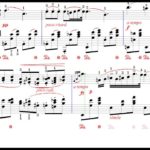
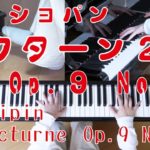
For Sleep: Chopin’s “Nocturne Op. 9 No. 2” or Max Richter’s “Sleep” — slow, soothing compositions.
Conclusion
Classical music serves as a “natural aid,” boosting focus and efficiency during work while promoting relaxation and sleep onset. However, its effectiveness varies by individual, so finding the right pieces and timing for yourself is key. Try it out and let me know how it goes!
—————-
クラシック音楽が作業や睡眠に有効である理由を説明しますね。まず、科学的な視点と実際の効果を踏まえてお答えします。
作業における有効性
クラシック音楽が作業に役立つ理由の一つは、集中力を高め、ストレスを軽減する効果があるからです。以下に具体的なポイントを挙げます:
脳の活性化とリラックス効果
クラシック音楽、特にモーツァルトやバッハのようなテンポが穏やかで構造的な楽曲は、脳のアルファ波を増加させることが研究で示されています。アルファ波はリラックスした状態と集中力を高める状態に関連しており、作業効率を向上させるのに役立ちます。例えば、1993年の「モーツァルト効果」の研究では、モーツァルトの音楽を聴いた後に空間的認識能力が一時的に向上したという報告があります(ただし効果の持続性については議論があります)。
背景ノイズの遮断
歌詞のないクラシック音楽は、言葉による気晴らしがないため、読書、執筆、プログラミングなどの認知作業に集中しやすくなります。カフェやオフィスの雑音をマスキングする「ホワイトノイズ」のような役割を果たし、注意散漫を防ぎます。
感情の安定化
テンポが速すぎないクラシック音楽(例: ショパンのノクターンやドビュッシーの「月の光」)は、心拍数や血圧を落ち着かせる効果があり、プレッシャーを感じる作業中のストレスを軽減します。これにより、長時間作業しても疲れにくい状態を保てます。
睡眠における有効性
睡眠に関しては、クラシック音楽が心身をリラックスさせ、入眠を促すことが多くの研究で裏付けられています。
副交感神経の活性化
ゆっくりしたテンポ(60~80ビート/分)のクラシック音楽は、副交感神経系を刺激し、心拍数を下げ、呼吸を整えます。例えば、ベートーヴェンの「月光ソナタ 第1楽章」やサティの「ジムノペディ」は、このリズムに近く、自然と眠気を誘います。
ノイズの軽減と安心感
外部の騒音や不安感を和らげる効果もあります。特に不規則な生活音が気になる場合、クラシック音楽が一定の音環境を作り出し、脳が「安全な状態」と認識しやすくなります。これが深い睡眠につながります。
科学的根拠
2015年の研究(Journal of Advanced Nursing)では、クラシック音楽を就寝前に聴いた被験者が、聴かない場合に比べて入眠時間が短縮し、睡眠の質が向上したと報告されています。特に高齢者や不眠症の人に効果的であることが分かっています。
どんな曲がいいの?
作業向け: モーツァルトの「ピアノ協奏曲第21番」やバッハの「ゴルトベルク変奏曲」など、適度なテンポで集中を妨げないもの。
睡眠向け: ショパンの「夜想曲 Op.9-2」やマックス・リヒターの「Sleep」など、ゆったりした曲調のもの。
結論
クラシック音楽は、作業では集中力と効率を高め、睡眠ではリラックスと入眠を促す「自然な補助ツール」と言えます。ただし効果は個人差があるので、自分に合う曲やタイミングを見つけるのが大事です。試してみて、感想を教えてくださいね!